

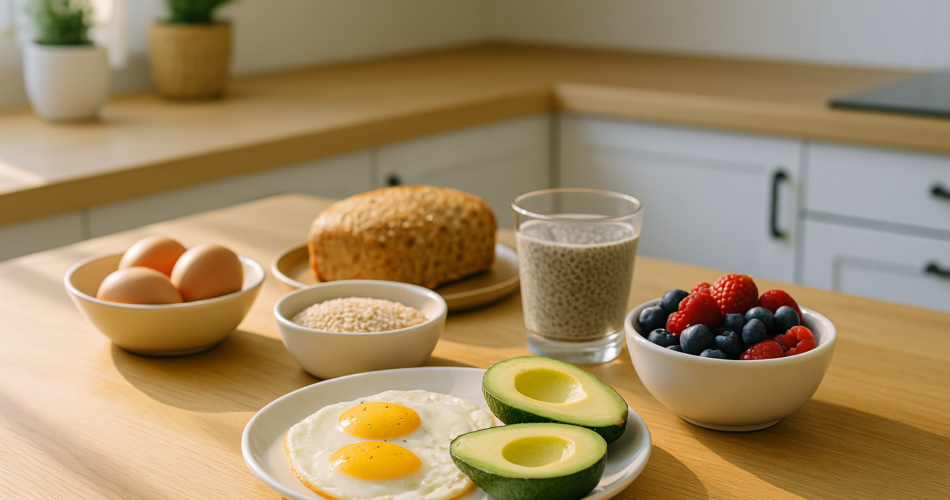
Type 2 diabetes management is strongly influenced by breakfast timing and nutrient sequencing. When the first meal is optimized, insulin remains stable, cravings reduce naturally, and glucose remains controlled throughout the rest of the day.

Understanding Morning Metabolic Timing
Why Breakfast Controls Blood Sugar All Day
Breakfast is the hormonal “command center” meal of the entire day. Once the first glucose spike occurs, the brain expects elevated energy signals for the next 10–14 hours.
A stable morning = a stable day.
A glucose spike in the morning = repeated elevated spikes.
The Role of Insulin Sensitivity in the Early Morning
Morning cells are highly responsive to glucose signals. When protein and supportive nutrients are prioritized, insulin reacts more efficiently, reducing the risk of rapid blood sugar storage.
Hack #1: The Probiotic Power Move (Feed Your Gut 30 Minutes After Eating)
Why Gut Bacteria Control Glucose
Microbes help decide how carbohydrates are digested, stored, and released into the bloodstream.
Balanced gut bacteria = lower fasting glucose + lower inflammation markers.
Timing: 30 Minutes After Breakfast
This delay prevents digestion slowdown and instead activates microbial nutrient conversion—improving insulin response by lunchtime.
Best Breakfast-Friendly Probiotic Sources
- Plain kefir (unsweetened)
- Greek yogurt with live cultures
- Fermented sauerkraut (1–2 tablespoons)
- Kombucha (unsweetened)
Pros
- Improves digestion rhythm
- Reduces post-meal spikes
- Supports immune function
Cons
- Some may experience bloating initially
- Requires consistency for results
Hack #2: The Carb-Timing Reversal (Save Carbs for Dinner, Not Breakfast)
Why Morning Carbs Spike Glucose Faster
Early cortisol levels raise glucose naturally. Adding carbs increases the surge.
Morning + refined carbs = amplified blood sugar spike.
Circadian Rhythm & Glucose Storage
Evening carbohydrate intake aligns with melatonin cycles, sending glucose to muscles instead of fat storage, reducing long-term glucose elevation.
Smart Dinner Carb Choices
| Carbs | Benefit |
|---|---|
| Sweet potatoes | Slow glucose release |
| Lentils | High fiber, stable insulin |
| Quinoa | Protein + carb balance |
| Chickpeas | Reduces next-day fasting glucose |
Pros
- Smoother daytime glucose
- Reduces hunger crashes
- Improves sleep quality
Cons
- May feel unusual at first
- Requires habit adjustment
Hack #3: The Pre-Meal Whey Trick (30 Seconds Before Lunch Changes Everything)
Whey’s Impact on Insulin Signaling
Whey protein ignites intestinal hormone GLP-1, which controls:
- Appetite
- Insulin release
- Fat storage
How 30 Seconds Changes Blood Sugar Response
A small whey dose before lunch slows carbohydrate absorption, lowering the glucose spike by up to 25–40%.
Best Form & Dosage
- 12–15 grams unflavored whey isolate
- Mixed in 2–3 ounces of water
Pros
- Reduces lunchtime spikes
- Enhances satiety
- Easier weight management
Cons
- Unsuitable for dairy-intolerant individuals
- Requires pre-meal timing precision
Hack #4: The Choline-Calcium Combo (Eggs + Dairy = Brain Fuel + Bone Signal)
Why Combining These Nutrients Works
Choline targets brain glucose needs while calcium sends a metabolic “storage off” message. This helps prevent:
- brain fog
- mid-morning hunger
- sugar rebound cravings
How This Combo Calms Morning Sugar Cravings
Eggs provide choline that supports neurological insulin signaling, while dairy delivers calcium and protein, slowing glucose conversion.

Foods That Deliver Both
- 2 eggs with cottage cheese
- Greek yogurt + boiled egg
- Scrambled eggs + feta
Pros
- High satiety value
- Lower carb reliance
- Brain clarity boost
Cons
- Cholesterol concerns for some individuals
- Not vegan-friendly
Hack #5: The Protein Leverage Rule (Hit 0.6 Grams Per Pound Before 8 AM)
How Protein Lowers Morning Glucose
Protein shuts off hunger cues by activating leptin and stabilizing insulin response.
Example:
150-lb person → 90 grams by 8 AM.
Why Lack of Protein = Cravings All Day
Low protein forces the brain to seek fast energy: sugar & starch.
High protein removes the need for emergency carb-seeking behavior.
Best Lean Protein Sources
- Eggs
- Greek yogurt
- Smoked salmon
- Chicken sausage
- Tofu scramble
Pros
- Eliminates cravings
- Improves glucose stability
- Longest satiety window
Cons
- Requires planning
- Not suitable during kidney filtration issues
Final Meal Timing Framework
What to Eat Before 8 AM
- Eggs + Greek yogurt
- High-protein smoothie
- Cottage cheese + berries (unsweetened)
What to Avoid
- Fruit juices
- Croissants, muffins
- Sugary cereals
- Pancakes with syrup
Pros and Cons Summary
Pros
- Improved insulin control
- Reduced daytime glucose spikes
- Enhanced satiety and fewer cravings
- Better metabolic signaling
- More balanced gut microbiome
Cons
- Requires timing discipline
- Certain foods limited to evenings
- Not suitable for dairy-restricted individuals
- Higher protein planning required
A More Suitable Closing: Metabolic Morning Mastery
Morning food sequencing determines whether glucose works for or against long-term health. By adjusting breakfast timing, prioritizing protein, reserving carbs for evening meals, and strategically using probiotics and whey, Type 2 diabetes markers may improve significantly. These habit changes support stable insulin reactions, better gut harmony, and smoother daytime metabolic rhythm.
5 Unique FAQs
1. Can coffee be consumed before breakfast?
Yes, black coffee is acceptable, but avoid sugar and creamers before protein intake.
2. How long should these breakfast hacks be followed?
At least 6–8 weeks for visible metabolic and fasting glucose response improvements.
3. Can whey protein be replaced?
Yes, pea protein isolate may be used, though effects may vary slightly.
4. Is fasting past 8 AM recommended?
Not for diabetes management. Morning protein is preferred over extended fasting.
5. Should probiotic foods be rotated?
Yes, diversity of strains enhances gut performance and metabolic stability.
